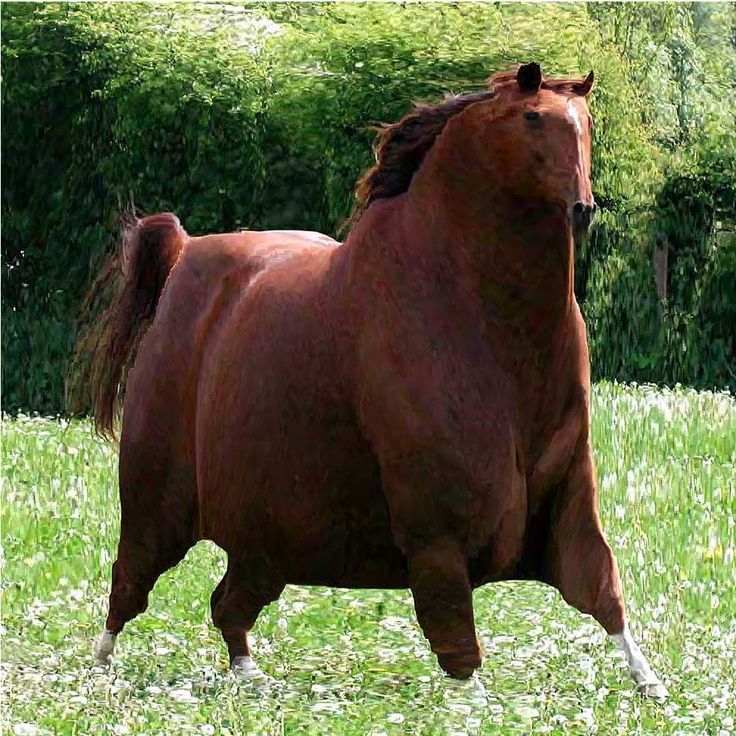
The Untold Lore of $honse
More retarded than you thought possible
From early digital cameras to prophecy fulfillment, honse has been inevitable since the beginning of internet time.
The Timeline
The Ancient Origins
The first Homosapien cave paintings discovered in southern France depict a mysteriously wide horse with an unmistakably low IQ expression.
Archaeologists remain baffled. Why is this prehistoric horse so disproportionately wide? Why does it look so vacant? The ancients knew something we're only now beginning to understand.
Honse has always been here.
The First Wide Honse
Early digital cameras with wide-angle lenses and unforgiving flash captured the world in all its pixelated glory. Some horses accidentally looked a little... derpy.
Distorted. Blurry. Suspiciously wide. The seeds were planted.
The Forums Awaken
Early internet forums and image boards began seeing sporadic uploads of horses with disproportionately long faces and vacant stares. Nobody questioned it. Nobody knew why.
"Why is this horse so wide?" became a recurring question with no answer.
The Deep Fry Era
A new wave of internet humor prioritized absurdity, low-resolution imagery, intentional misspelling, and existential dread. "Deep-fried memes" and abstract irony took hold.
Honse emerged from the chaos — not a mistake, but a feature.
The Elder Statesman
Spin-off characters and concepts emerged: doge, cheems, stonks, swole doge vs. cheems. The aesthetic of intentional low-effort absurdity became canonical.
Honse was there first. A respected elder statesman of this genre. Watching. Waiting. Being wide.
The Year of the Honse
Fulfillment of Destiny
The Lunar New Year — traditionally the Year of the Horse — aligns with the prophecy. We have an absurd meme. A deep-fried meme. A meme that brought about $doge, stonks, and billion-dollar runners.
So the question remains: How early are we?
The trenches needed an animal runner.
Honse answered the call.
Sacred Knowledge
They don't eat oats.
They consume "hay"
(pronounced "hey")